
Clean hands, clean surfaces
Wash hands before touching or feeding your baby, including siblings’ hands. Clean frequently touched surfaces and toys.
 A clinical trial for babies born very prematurely
PARENT HEALTH INFORMATION
A Guide to Chest Infections
Most babies do well. Knowing how to reduce infection and when to get help can help you feel more confident at home.

UNDERSTANDING CHEST INFECTIONS
Premature babies’ lungs and immune systems are still developing. Some babies have bronchopulmonary dysplasia (BPD), also called chronic lung disease, and may need oxygen or other breathing support.
Bronchiolitis affects the small airways in the lungs. It often starts with a runny nose and cough, followed by faster or harder breathing, wheeze, reduced feeding, irritability or tiredness. Symptoms are often worst around days 3–5.
Common respiratory viruses include RSV, rhinovirus, influenza and SARS-CoV-2, which causes COVID-19. Treatment is mainly supportive; some babies need hospital care for oxygen, fluids or feeding support, or help with breathing.
EVERYDAY PROTECTION
Wash hands before touching or feeding your baby, including siblings’ hands. Clean frequently touched surfaces and toys.
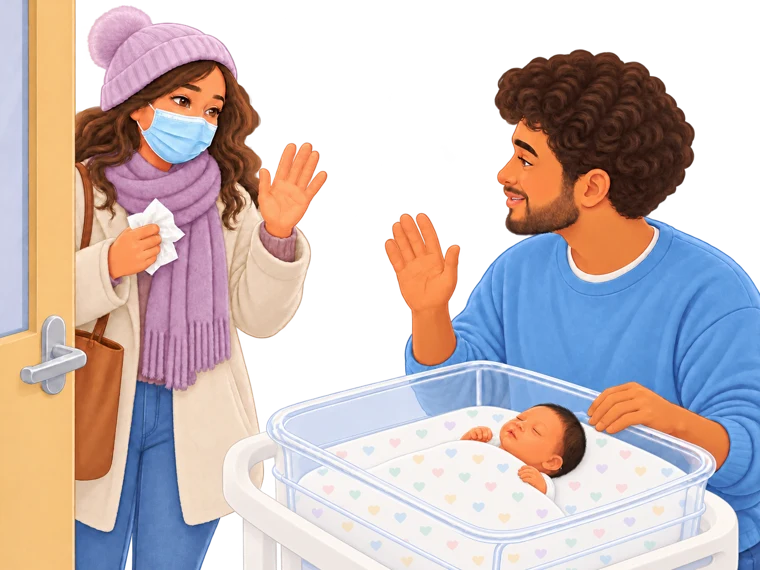
Ask visitors with a cough, cold or cold sore to wait until they are better. Everyone should wash their hands and avoid kissing your baby’s face or hands.
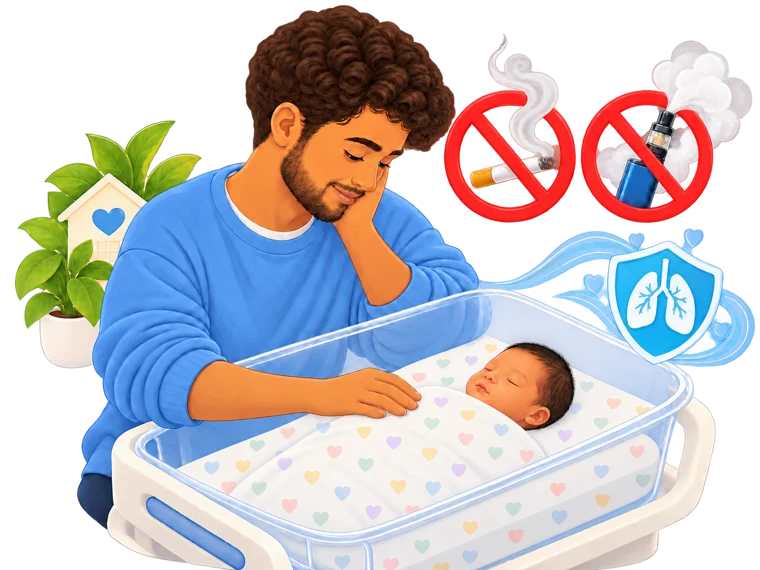
Keep your baby’s home and car smoke-free. Keep your baby away from tobacco smoke and vaping.
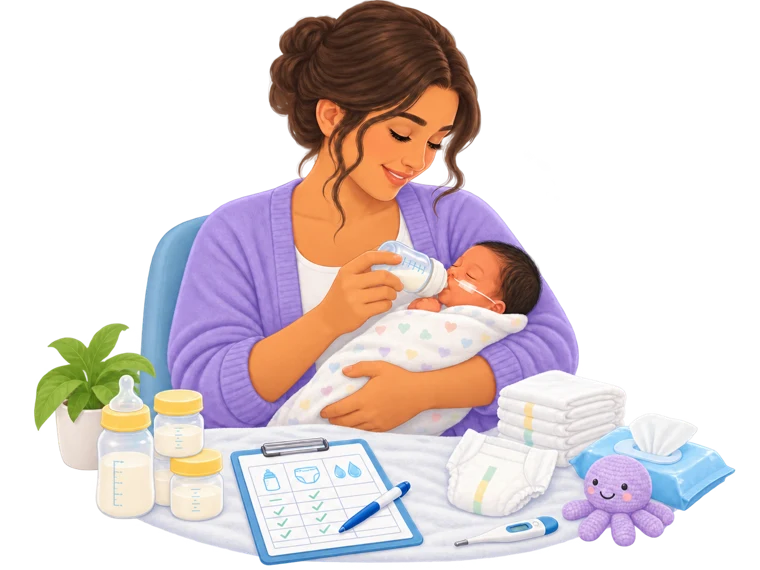
Breast milk provides antibodies. Keep your baby’s routine immunisations up to date, and eligible household members’ vaccinations too. Follow your neonatal team’s feeding plan.
RSV PROTECTION
RSV vaccination is offered from 28 weeks of pregnancy. Babies born before 32 weeks, or with eligible heart, lung or immune conditions, should also be offered long-acting RSV antibody protection, even if their mother was vaccinated. Ask your neonatal team whether protection has been given or arranged for the first RSV season.
RSV protection reduces the risk of severe RSV disease but does not prevent every respiratory infection.
WHEN TO GET HELP
Seek help early if worried—do not wait for 12 hours without a wet nappy.
RED · EMERGENCY
AMBER · URGENT ADVICE
GREEN · USUALLY MANAGE AT HOME
Offer smaller, more frequent feeds of their usual milk. Check breathing, feeding, alertness and wet nappies, including overnight.
Follow your baby’s discharge plan for oxygen, medicines and feeding. If you are worried, seek help even if your baby’s symptoms are not listed here.
HELP AND TRUSTED INFORMATION
Call 999 for red warning signs. Follow the urgent temperature advice above.
Call NHS 111 for urgent advice when it is not a 999 emergency. For babies and children under 5, telephone 111.
Contact your GP surgery for medical advice.
Use the contact details your local team gave you after discharge.

Click a link to open the website, or scan its QR code with another device. Recommendations can change; these links lead to the source organisations.
 NHS: BronchiolitisSymptoms, home care and when to seek urgent help.
 NHS: Respiratory syncytial virus (RSV)Current information for parents about RSV.
 NHS: RSV vaccinationCurrent information about RSV vaccination during pregnancy.
 UKHSA: RSV Green Book chapter 27aCurrent UK professional guidance on RSV immunisation.
 NHS: Childhood vaccinationsThe routine NHS vaccination schedule.
 BlissSupport and information for families of babies born premature or sick.
 NHS: Urgent help for children under 5When babies and young children need urgent help.
 NHS: Safer sleepAdvice on reducing the risk of sudden infant death.
 UKHSA: RSV immunisation for babiesParent information about infant RSV antibody protection.
KEEP THE GUIDANCE CLOSE
Read the full family leaflet or keep the shorter poster nearby. The website includes the fuller explanations where space allows. Version 1.0 · 8 October 2026.
Four A4 pages to read and keep.
One A4 page for an easy reference.
General information for UK families. Follow your baby’s individual discharge plan. Guidance checked 8 October 2026 against NHS, NICE and UKHSA sources. Matched to poster and leaflet v1.0 (8 October 2026).